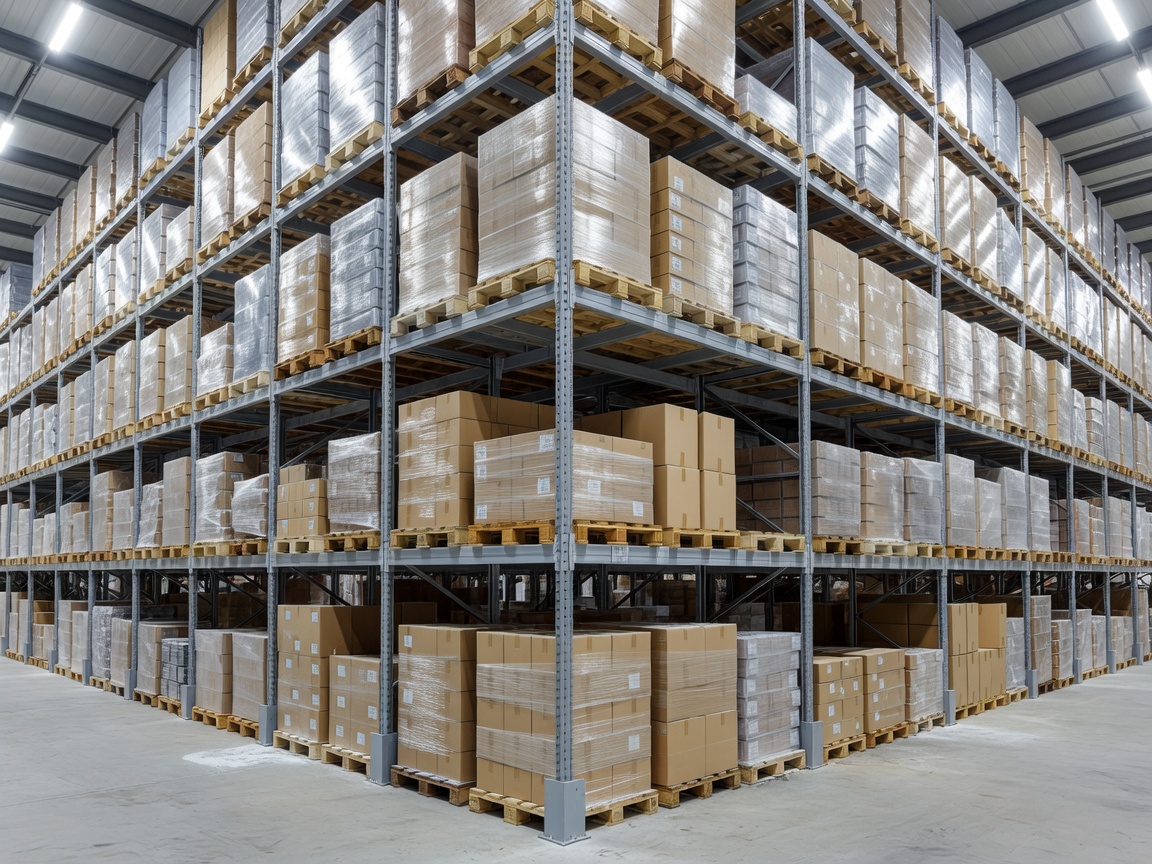
The Role of Storage in the Cold Chain
Storage and handling are deeply connected parts of the cold chain. When transport ceases, storage takes over. A warehouse handling seafood is not merely a place to put boxes; it is a highly active environmental management system. Facilities are broadly categorized into frozen storage and chilled holding zones, each serving distinct logistical purposes.
Cold storage for deep-frozen products operates as a long-term holding mechanism, utilizing robust insulation and massive refrigeration plants to maintain severe sub-zero environments. In contrast, chilled holding is often transient. Fresh seafood degrades quickly, so chilled zones act primarily as staging areas for rapid distribution rather than long-term warehousing.
Cross-Docking and Transfer Coordination
One of the most efficient techniques in modern European seafood logistics is cross-docking. Instead of receiving pallets, placing them into long-term storage, and retrieving them later, products move directly from inbound unloading areas to outbound loading areas with minimal holding time. This requires impeccable transfer coordination.
Cross-docking reduces handling time, but it demands an entirely temperature-controlled facility. Unloading areas cannot be open to the outside air. Dock seals and insulated bay doors must clamp tightly against incoming and outgoing vehicles to create a continuous cold tunnel between the truck and the warehouse floor.
Packaging and Hygiene Considerations
Handling marine products introduces unique physical challenges. Seafood is often packed in ice, which means crates and containers must be able to drain melting water without contaminating pallets stacked beneath them. Specialized plastic totes and waxed corrugated boxes are utilized heavily.
- Hygiene: Fish oils and fluids can harbor bacteria. Warehouses must implement strict cleaning schedules, utilizing specialized sanitizers that function effectively at low temperatures.
- Product Identification: Clear labeling is vital. In a fast-moving chilled environment, handlers do not have time to open boxes to verify contents. Barcodes and RFID tags must be moisture-resistant and readable in frosty conditions.
- Stock Rotation: For seafood, First-In-First-Out (FIFO) is not just a best practice; it is a commercial necessity. Effective warehouse management systems ensure older stock is selected for distribution first.
Handling Time Discipline
Every minute a pallet spends outside a strictly controlled temperature zone—even moving across a loading dock—is recorded as handling time. Operators mitigate this through rapid forklift movements, pre-staging outbound loads just inside dock doors, and refusing to offload inbound trucks until space and personnel are immediately available.
Handling & Storage Checklist
- Confirm if holding requires chilled or deep-frozen zoning.
- Ensure packaging can withstand moisture and potential ice melt.
- Verify that dock seals and insulated doors are functioning at handover points.
- Implement strict FIFO inventory rotation to prevent aging inventory.
- Minimize staging duration in transition zones to protect thermal integrity.