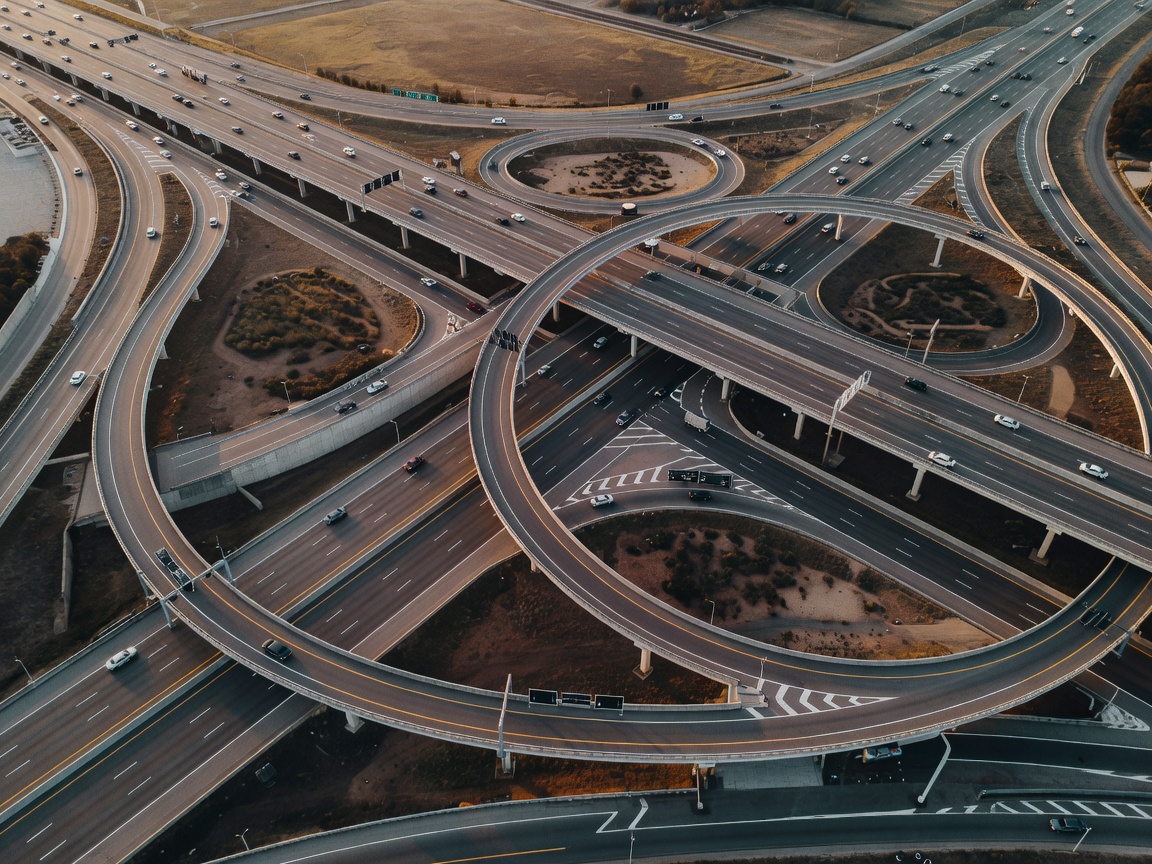
Beyond the Shortest Path
Route planning for temperature-sensitive products involves significantly more variables than simply choosing the shortest road between point A and point B. Planners must balance transit windows, packaging duration limits, and the realities of European highway infrastructure. A route that saves an hour of driving but risks an unpredictable customs delay at a border crossing is often a bad logistical bet for fresh seafood.
Packaging duration is a critical constraint. If a shipment relies on gel packs and insulated boxes rather than active mechanical refrigeration, planners know exactly how many hours the product can survive before thermal degradation begins. The route must fit inside this countdown, accommodating traffic, mandatory driver rest periods, and handover procedures.
Navigating Logistical Variables
European distribution requires constant adaptation to external conditions:
- Border Crossings & Port Connections: Moving freight across non-Schengen borders or utilizing ferry crossings introduces holding periods. Planners must schedule arrivals to match ferry departures, minimizing dwell time at the port.
- Traffic and Weather Considerations: Summer heatwaves place immense strain on transport refrigeration units. Planners might route heavily laden trucks away from steep mountainous climbs during peak heat to prevent cooling unit failure under heavy engine load.
- Seasonal Demand: High-volume seasons (like specific fishing harvests or holiday consumer peaks) strain infrastructure. Securing delivery windows at busy distribution centers requires booking far in advance.
Comparing Distribution Models
The chosen delivery model fundamentally alters how a route is constructed:
Direct Delivery: The simplest form, moving a full truckload directly from a processing facility to a central distribution hub. The main challenges are distance and driving hours.
Consolidated Delivery: Gathering smaller shipments from multiple fisheries or producers into a single refrigerated truck before heading to a destination. This requires a carefully planned loading sequence so that the last product loaded is the first one unloaded.
Multi-Stop Distribution: The most complex approach, often seen in urban "last mile" delivery. Every time the truck stops and doors open, thermal energy is lost. Route optimization software is used to clump geographical stops together, minimizing transit time between openings.
Contingency Planning and Communication
The best routes still encounter unexpected closures or breakdowns. Contingency planning involves mapping out alternative cold-storage facilities along the route. If a vehicle suffers a critical mechanical failure, the priority is immediately transferring the cargo to a viable cold facility rather than waiting hours for a roadside repair. Communication between logistics stages—from dispatch to driver to receiving dock—is what allows these contingencies to activate smoothly.
Route-Planning Checklist
- Calculate maximum allowable transit time based on packaging and product type.
- Identify mandatory driver rest stops and ensure secure parking is available.
- Plan loading sequences precisely for multi-stop delivery routes.
- Map secondary cold-storage options along the transit corridor for emergencies.
- Confirm receiving hours and secure specific dock appointments.